Introduction: A Chokepoint That Shapes the World
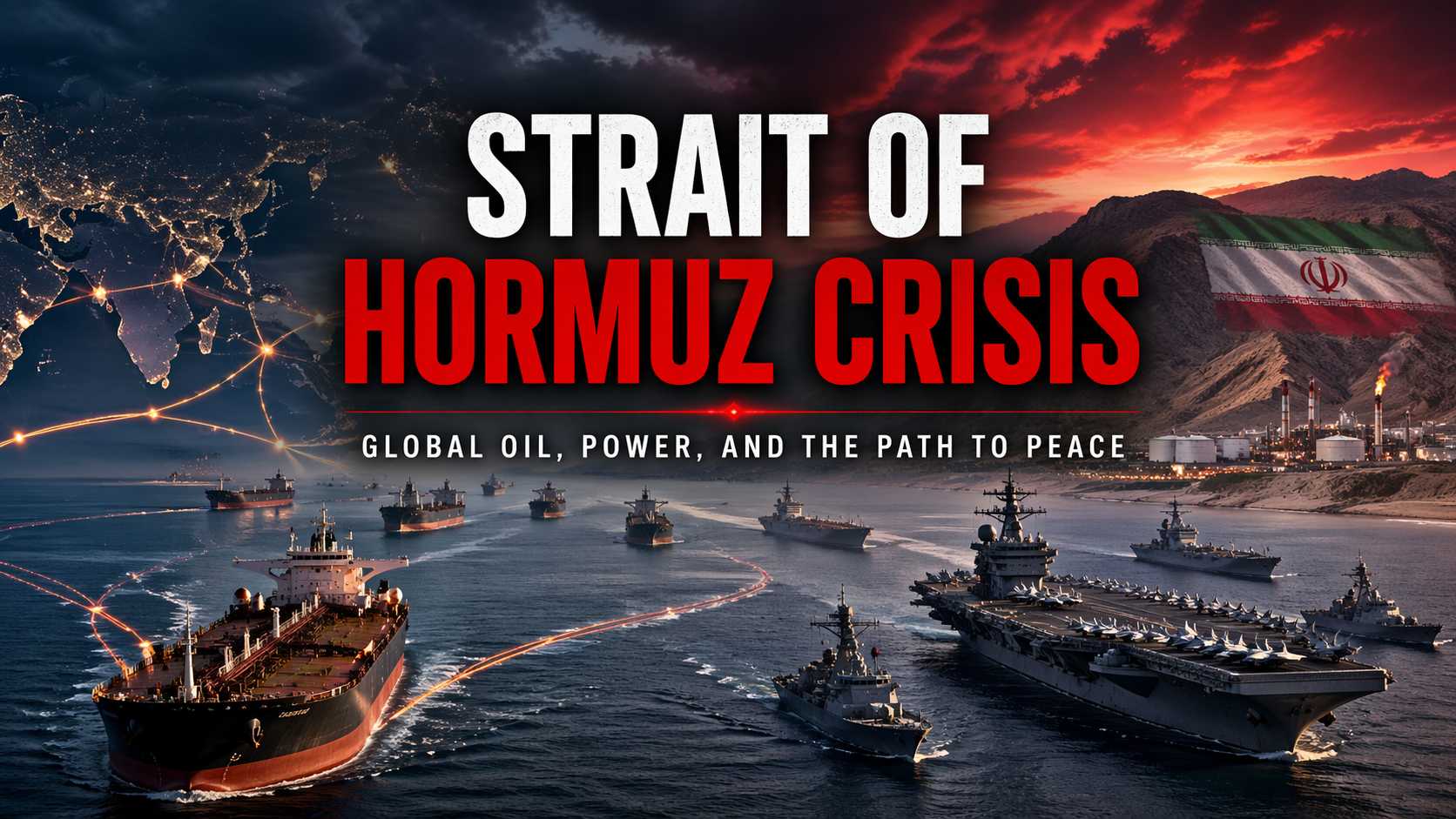
The Strait of Hormuz is not just a narrow waterway—it is the heartbeat of global energy supply. Nearly 20% of the world’s oil flows through this single passage, making it one of the most strategically important locations on Earth.
In 2026, tensions between the United States and Iran have reached a critical moment. Following failed peace talks, the United States has moved to impose a naval blockade targeting Iranian ports, dramatically escalating the situation.
This blog explores:
- What the blockade means
- How it impacts global commerce
- And whether Iran is likely to move toward peace
What the U.S. Blockade Actually Does

The U.S. blockade is not a full closure of the Strait. Instead, it is a targeted effort to:
- Stop ships entering or leaving Iranian ports
- Block Iran’s oil exports (around 2 million barrels per day)
- Pressure Iran economically without fully halting global shipping
Neutral vessels can still pass, but the effect is powerful:
- Iranian oil is trapped
- Tankers are stuck in the Gulf
- Global markets react immediately
This strategy reflects a clear message:
👉 “If Iran restricts global energy flow, the U.S. will restrict Iran’s ability to sell energy at all.”
Global Impact: Oil, Trade, and Economic Shockwaves
1. Oil Prices Surge
- Oil prices have already crossed $100 per barrel
- Analysts warn prices could climb much higher if disruption continues
2. Supply Chain Disruption
- Shipping through the Strait has dropped sharply
- Insurance costs for tankers have surged
- Alternative routes are limited and risky
3. Asia Feels the Greatest Impact
- Around 80%+ of oil flowing through Hormuz goes to Asia
- Countries like China and India face immediate supply concerns
4. Risk of Global Inflation
- Energy costs drive:
- Transportation prices
- Manufacturing costs
- Food prices
A prolonged blockade could trigger global economic slowdown—or even recession.
Iran’s Strategic Position: Pressure vs Resistance
Iran is not without leverage. In fact, it holds one of the strongest geopolitical cards:
Iran’s Advantages
- Control over the Strait’s geography
- Ability to disrupt shipping with:
- Drones
- Mines
- Naval forces
- Proven willingness to escalate
Iran has already:
- Restricted passage selectively
- Threatened attacks on vessels
- Positioned itself as resisting external pressure
Iran’s Weaknesses
- Oil exports are a major part of its economy
- Blockade cuts critical revenue
- Domestic economic pressure increases
👉 This creates a classic pressure point:
- Short-term resistance
- Long-term economic strain
Will Iran Negotiate a Peaceful Solution?
Short-Term Outlook: Low Probability
Right now, Iran is unlikely to quickly concede because:
- It views the blockade as aggression (“economic warfare”)
- Leadership must maintain internal strength and credibility
- Retaliation threats are already being made
👉 Expect:
- Continued tension
- Limited cooperation
- Risk of escalation
Medium-Term Outlook: Increasing Pressure to Negotiate
Over time, the situation changes:
Economic Reality Sets In
- Oil revenue declines
- Domestic pressure rises
- Allies (like China) push for stability
Global Pressure Builds
- Energy-importing nations demand resolution
- Diplomatic channels reopen
👉 Historically, similar crises show that economic isolation eventually forces dialogue.
Most Likely Scenario: Negotiation Through Pressure
Experts suggest the most realistic path is:
- Sustained pressure (economic + military presence)
- Backchannel diplomacy (Oman, Qatar, or neutral states)
- Gradual de-escalation agreement
This could include:
- Reopening the Strait fully
- Limited sanctions relief
- Security guarantees
The Risk Factor: Miscalculation
The greatest danger is not strategy—it’s miscalculation.
A single incident could trigger:
- Direct military conflict
- Attacks on oil infrastructure
- Full closure of the Strait
And if that happens:
- Up to 20% of global oil supply could be disrupted
- Prices could spike dramatically
- Global economies could destabilize
Conclusion: Pressure Can Lead to Peace—But Not Without Risk
The U.S. blockade of Iranian ports in the Strait of Hormuz is a high-stakes strategy.
It is designed to:
- Force Iran economically
- Restore global energy stability
- Push toward negotiation
But the outcome depends on one critical question:
👉 Will pressure lead to dialogue—or provoke escalation?
Final Insight
- Iran is unlikely to negotiate immediately
- But sustained pressure makes negotiation increasingly likely
- The world sits in a fragile balance between conflict and compromise
Urge Action
Now more than ever, global citizens must stay informed and engaged. Energy security, economic stability, and peace are interconnected.
Follow developments, support diplomatic solutions, and encourage leaders to prioritize negotiation over escalation.