The 2026 U.S. election cycle is underway, with candidate filing deadlines passed or looming and state primaries set across the country. These milestones determine who appears on the ballot for federal and state offices and shape how voters engage with the issues that impact their lives. NCSL+1
Below we provide updated filing windows and primary dates for the 2026 midterm cycle and explore how the entrenched two-party system affects independent voters — and what is needed for a healthier Independent Party movement to rise.
📅 2026 Candidate Filing & Primary Dates by State (Summary)
🗳️ Filing Windows
-
Many states allowed statewide candidate filings in late 2025 — for example in North Carolina (Dec 1–19, 2025). NCSBE
-
Some states permit candidate filings well before the primary (often beginning months prior). Filing date specifics vary greatly, so candidates should always consult state election boards.
🗳️ State Primary Dates
Here’s a broad view of primary date patterns in 2026 (federal and state):
| State | Primary Date |
|---|---|
| Alabama | May 19, 2026 |
| Alaska | Aug 18, 2026 |
| Arizona | Aug 4, 2026 |
| Arkansas | Mar 3, 2026 |
| California | Jun 2, 2026 |
| Colorado | Jun 30, 2026 |
| Connecticut | Aug 11, 2026 |
| Delaware | Sep 15, 2026 |
| Florida | Aug 18, 2026 |
| Georgia | May 19, 2026 (runoffs Jun 16) |
| Idaho | May 19, 2026 |
| Illinois | Mar 17, 2026 |
| Indiana | May 5, 2026 |
| Iowa | Jun 2, 2026 |
| Kansas | Aug 4, 2026 |
| Kentucky | May 19, 2026 |
| Louisiana | May 16, 2026 |
| Maine | Jun 9, 2026 |
| Maryland | Jun 23, 2026 |
| Michigan | Aug 4, 2026 |
| Minnesota | Aug 11, 2026 |
| Mississippi | Mar 10, 2026 |
| Missouri | Aug 4, 2026 |
| Montana | Jun 2, 2026 |
| Nebraska | May 12, 2026 |
| Nevada | Jun 9, 2026 |
| New Hampshire | Sep 8, 2026 |
| New Jersey | Jun 2, 2026 |
| New Mexico | Jun 2, 2026 |
| New York | Jun 23, 2026 |
| North Carolina | Mar 3, 2026 (runoffs May 12) |
| North Dakota | Jun 9, 2026 |
| Ohio | May 5, 2026 |
| Oklahoma | Jun 16, 2026 |
| Oregon | May 19, 2026 |
| Pennsylvania | May 19, 2026 |
| Rhode Island | Sep 8, 2026 |
| South Carolina | Jun 9, 2026 |
| South Dakota | Jun 2, 2026 |
| Tennessee | Aug 6, 2026 |
| Texas | Mar 3, 2026 |
| Utah | Jun 23, 2026 |
| Vermont | Aug 11, 2026 |
| Virginia | Jun 16, 2026 |
| Washington | Aug 4, 2026 |
| West Virginia | May 12, 2026 |
| Wisconsin | Aug 11, 2026 |
| Wyoming | Aug 18, 2026 |
(Dates based on state projections and compiled election calendars — this list primarily reflects federal congressional primary dates in 2026; always confirm with your state board.) US Vote Foundation
📌 General Election Day: November 3, 2026 (midterm cycle). Wikipedia
🧠 Observation: The Two-Party System & Independent Voters
Despite a long list of dates and milestones, a key democratic issue persists: the two-party system tends to reinforce the political status quo, affecting how voters — especially independents — engage with the election cycle.
❗ Why This Matters
-
Closed & Partisan Primaries:
Many states run closed or semi-closed primaries that limit ballot access to registered Democrats or Republicans. This leaves independent voters sidelined from meaningful participation ahead of the general election. -
Resource Imbalance:
Established parties have infrastructure for filing, ballot access, and voter outreach that third parties and independents lack — leading to a cycle where incumbents and party nominees dominate visibility. -
Candidate Pathways:
Independent candidates often must navigate petitions and other hurdles just to appear on the general ballot, further reinforcing the duopoly.
This dynamic often leaves a plurality of Americans with no structured party approach to issues they care about — despite many voters identifying as independent.
📊 What’s Needed: A Healthy Independent Party Movement
To cultivate a credible, issues-focused Independent Party, the following steps are essential:
✅ 1. Ballot Access Reform
-
Simplify petition and filing requirements so that independents aren’t burdened with excessive signatures or late cutoffs.
-
Standardize access across states to reduce complexity.
✅ 2. Open Primary Structures
-
Broaden access so all voters — regardless of registration — can meaningfully participate in candidate selection.
-
Consider top-two or ranked-choice systems in more states.
✅ 3. Civic Infrastructure
-
Build local and state organizations that can sustain candidate development, community outreach, and issue education.
-
Prioritize grassroots organizing over charisma-only approaches.
✅ 4. Issue-Centered Platforms
-
Focus on policy priorities that resonate broadly (economy, healthcare, transparency) rather than narrow or personality-driven campaigns.
✅ 5. Coalition Building
-
Partner with civic groups, nonprofits, and independent candidates on shared goals.
-
Create forums for ongoing dialogue and collaboration.
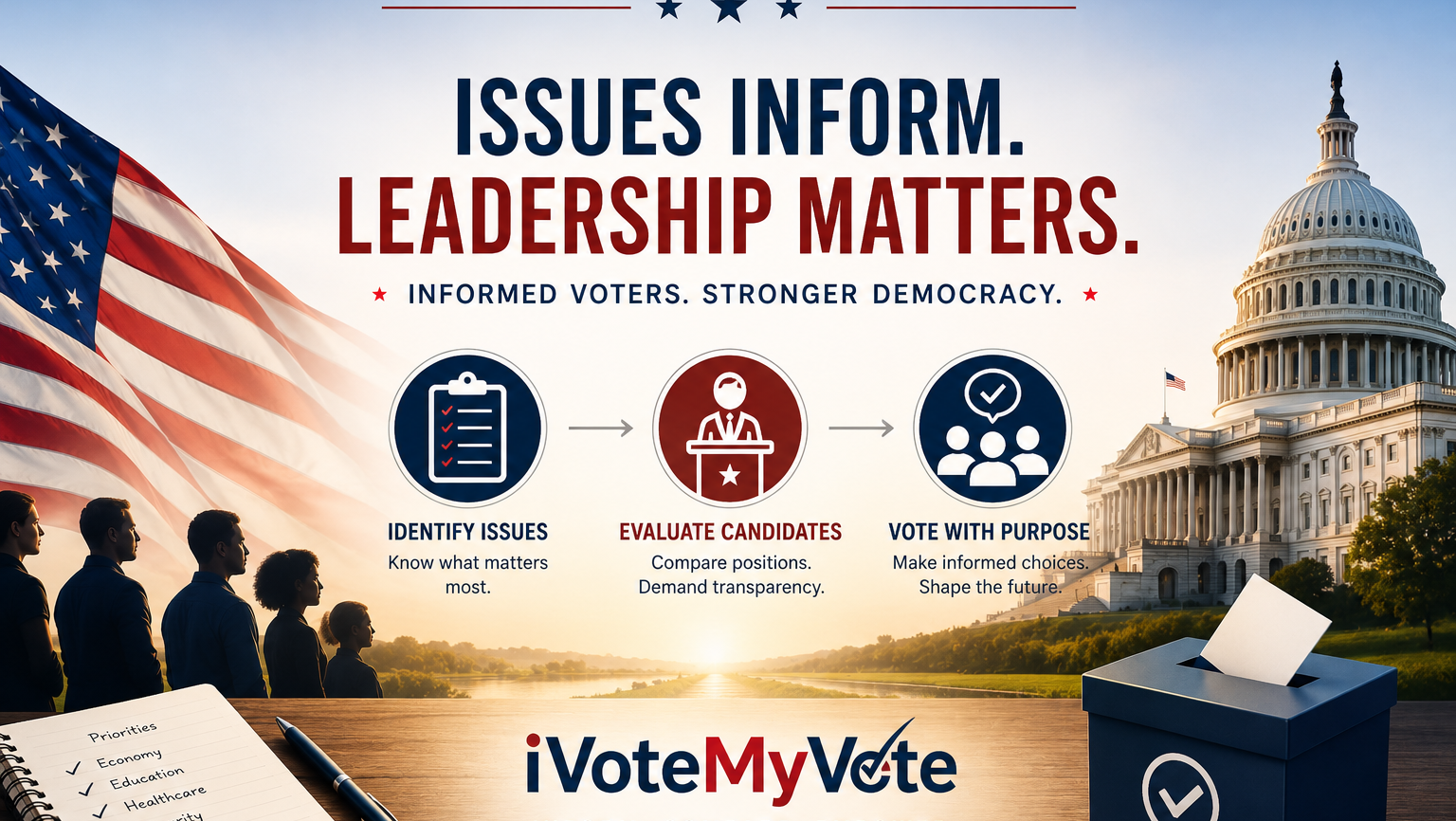
📌 Voter Checklist for the 2026 Cycle
Use this simple checklist to stay engaged and ensure your voice counts:
✔️ Confirm your voter registration by your state deadline.
✔️ Know your state’s primary date (see dates above).
✔️ Check your ballot access — flags, candidates, measures, local offices.
✔️ Participate in primaries or open processes (if your state allows).
✔️ Research all candidates and their positions on key issues.
✔️ Plan ahead for Election Day (Nov 3, 2026) — early voting or mail-in deadlines.
✔️ Encourage reforms that expand democracy, ballot access, and independent engagement.