When Decisions Are Delayed, Costs Are Not
Government funding delays are often discussed in terms of policy and negotiation but their real impact is felt far beyond legislative chambers.
When decisions are not made on time, the cost does not disappear.
It is simply transferred to workers, travelers, and the public at large.
At the center of this issue is a simple truth:
Delays in responsibility create immediate consequences.
💼 The Human Cost: Workers Without Pay
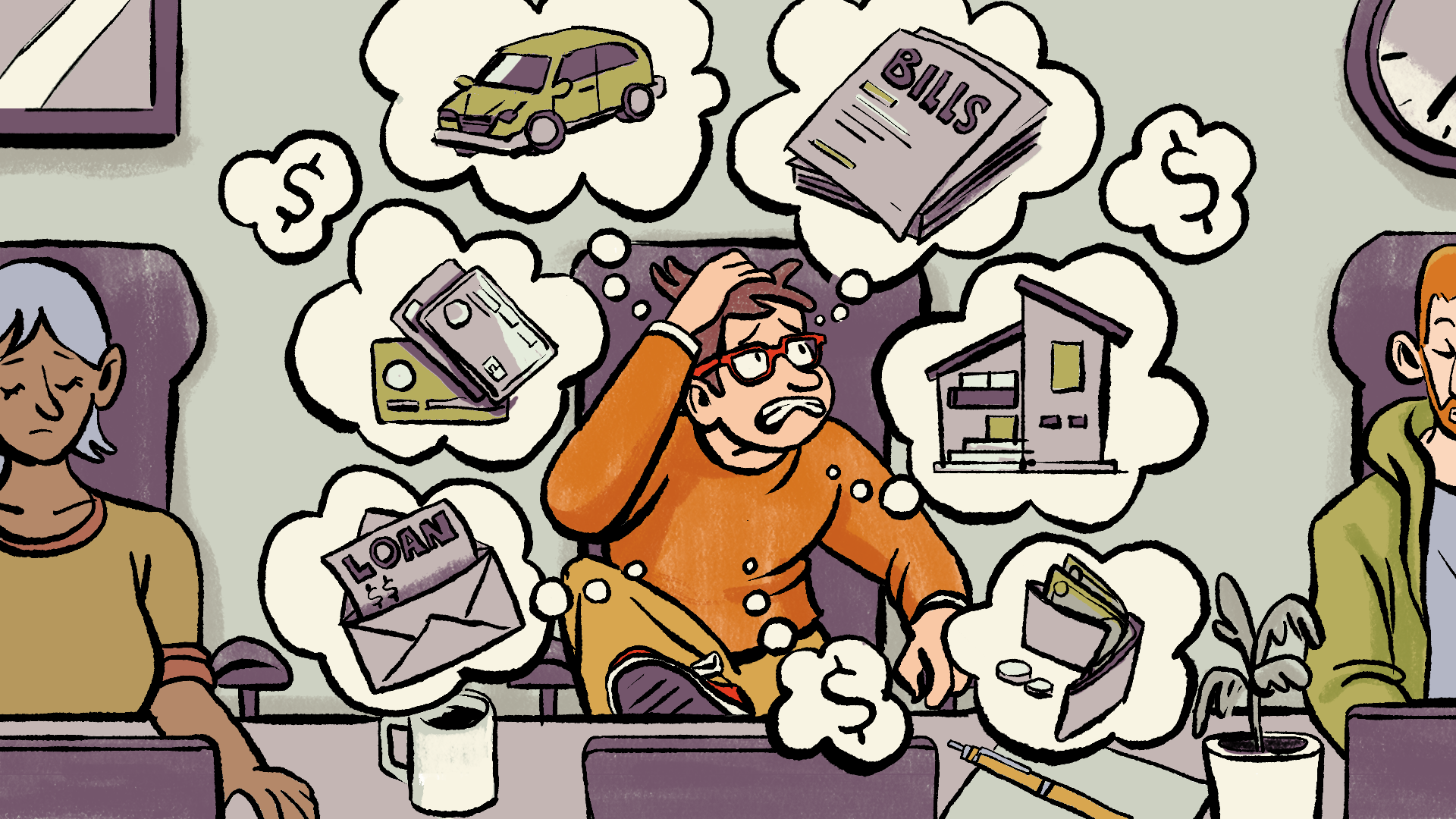
Many government employees continue performing essential duties even when funding is uncertain.
This can result in:
- Delayed or missed paychecks
- Financial strain on families
- Increased stress during already demanding work
These are not abstract impacts they affect real households trying to manage everyday responsibilities.
✈️ The Public Cost: Travel Delays and Financial Loss

Systems supported by agencies such as the Transportation Security Administration and the Federal Aviation Administration rely on stability.
When that stability is disrupted:
- Security wait times increase
- Flight schedules become less reliable
- Travelers miss flights despite planning ahead
The result:
💸 Lost ticket costs
⏳ Wasted time
😓 Frustration with no clear warning
🛡️ The Hidden Cost: Strain on Homeland Security
Less visible but equally important are the impacts on the United States Department of Homeland Security.
Funding delays can affect:
- Border and port-of-entry operations
- Emergency preparedness systems
- Cybersecurity monitoring
- Infrastructure protection coordination
These systems are designed to operate continuously.
Any disruption introduces risk not always immediately visible, but significant over time.
⚖️ Identifying the Core Issue: Delay Without Resolution
Debate and disagreement are part of the legislative process.
However, when funding decisions remain unresolved and legislative schedules move into recess the issue becomes one of timing and completion.
When responsibility is known but action is delayed:
- Negotiations pause
- Decisions wait
- Consequences continue
This is not about disagreement.
It is about unfinished responsibility at critical moments.
🏛️ The Role of Congress and the Impact of Recess
The responsibility to fund government operations lies with Congress.
When funding deadlines approach, there is an expectation that:
- Discussions lead to decisions
- Responsibilities are fulfilled
- Essential services remain stable
When recess occurs without resolution:
- The legislative process pauses
- The impact on citizens does not
This gap between schedule and responsibility is where accountability becomes important.
🧭 What Can Voters Do?
While voters cannot directly pass legislation, they can influence those who do.
1. Ask Clear Questions
- Will you commit to resolving funding before deadlines?
- How will you prevent disruptions to essential services?
2. Watch Actions Closely
- Were decisions completed before recess?
- Was compromise pursued?
3. Communicate Expectations
- Contact representatives and express the need for continuity
- Make it clear that essential services should not be disrupted
4. Vote Based on Responsibility
- Support candidates who demonstrate action not delay
- Evaluate leadership through outcomes, not statements
🇺🇸 A Reasonable Expectation
Citizens are not asking for perfection.
They are asking for:
- Timely decisions
- Reliable services
- Accountable leadership
These are the foundations of effective governance.
When delays affect paychecks, travel, and national security systems, the issue becomes personal.
Voters have the power to ask better questions, expect better outcomes, and support leaders who fulfill their responsibilities.
The proper place for legislation is in the halls of Congress not in the consequences carried by the public.
Explore where candidates stand and make your voice count at iVoteMyVote.com.
Written by Claude Tatro, with analytical and language support from Alder (ChatGPT)