Written by Claude Tatro, with analytical and language support from Alder (ChatGPT)
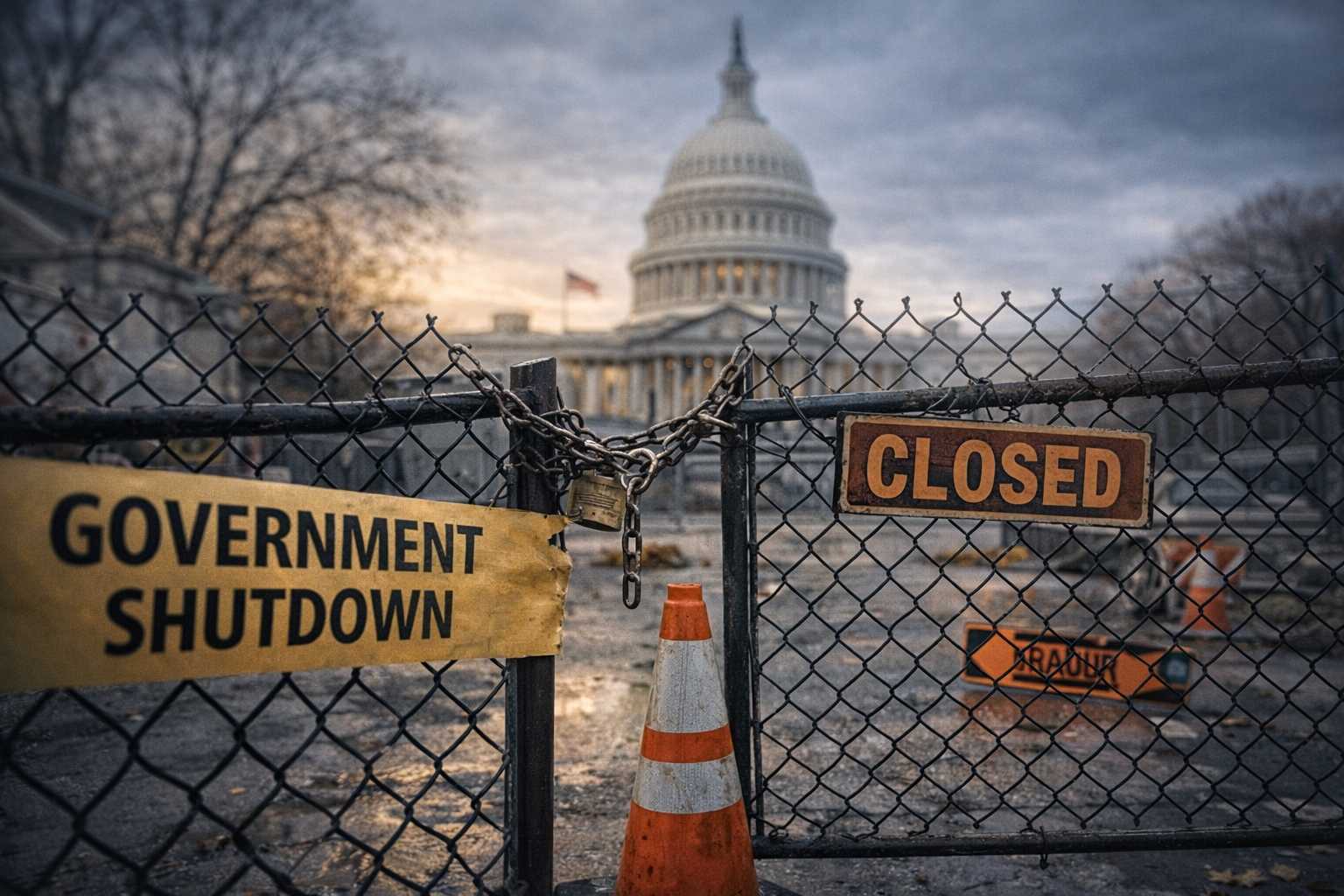
Once again, Americans are facing the familiar and troubling threat of a government shutdown, as members of Congress signal they may block funding unless their legislative demands are met.
This is not political theater. Shutdowns carry real consequences for working families, businesses, and the nation’s economy.
In previous IVMV blogs, we have repeatedly warned that using shutdowns as a negotiation tactic does not strengthen democracy. Instead, it weakens public trust and shifts the cost of political conflict directly onto the American people.
Now, as another shutdown threat looms, it is time to remind voters what these actions truly cost.
What a Government Shutdown Really Means
A government shutdown occurs when Congress fails to pass funding legislation before existing budgets expire. When this happens:
• Many federal services stop
• Hundreds of thousands of employees are furloughed or forced to work without pay
• Businesses dependent on government activity lose income
• Economic growth slows
• Communities face widespread uncertainty
Our Founding Fathers never intended disagreements to be settled by halting the operations of government itself. The Constitution was built around debate, compromise, and responsible governance, not political coercion.
The Last Shutdown: 43 Days and Massive Economic Damage
The most recent federal government shutdown began on October 1, 2025, becoming the longest shutdown in U.S. history, lasting 43 days.
The estimated economic impact reached approximately $1.5 trillion when accounting for:
• Lost productivity
• Delayed federal spending
• Supply chain disruptions
• Reduced consumer confidence
• Long-term ripple effects across industries
Hundreds of thousands of federal workers were furloughed or forced to work without pay. Government services stalled. Local economies suffered immediate losses.
Once again, everyday Americans bore the burden.
Meanwhile, most members of Congress continued receiving their salaries.
The Public Pays While Politicians Posture
Shutdowns are often described as pressure tactics, but the pressure is not felt by those making the decisions.
It is felt by:
• Federal workers missing paychecks
• Contractors losing income
• Families struggling to meet expenses
• Small businesses facing closures
• Communities losing commerce
This is not shared sacrifice.
This is hardship shifted onto the public.
A Simple Standard of Accountability
If members of Congress are willing to pursue a shutdown to gain leverage, then they should be willing to share the cost they impose.
A fair approach would be this:
For every week the government is shut down due to congressional impasse, lawmakers should forfeit one full year of their salary.
No back pay. No exceptions.
This would align political decisions with real public consequences and discourage reckless brinkmanship.
Constructive Opposition Is How Democracy Was Meant to Work
Healthy democracy depends on:
• Open debate
• Good faith negotiation
• Thoughtful compromise
It does not depend on shutting down the institutions Americans rely on every day.
Using shutdowns as leverage undermines both public trust and the causes being pursued.
Disagreement should lead to solutions, not disruption.
A Call to Voters
Voters have the power to demand better leadership.
Ask your representatives:
• Do they support shutdowns as a political tactic?
• How will they protect workers and families from harm?
• Are they willing to share in the financial consequences of their actions?
True leadership seeks progress without punishing the public.
In Closing
Government shutdowns are not harmless strategies.
They cost enormous sums of money, damage public confidence, and place unnecessary hardship on everyday Americans.
They are not tools of democracy.
They are failures of leadership.
It is time to demand constructive governance, responsible compromise, and accountability from those elected to serve.